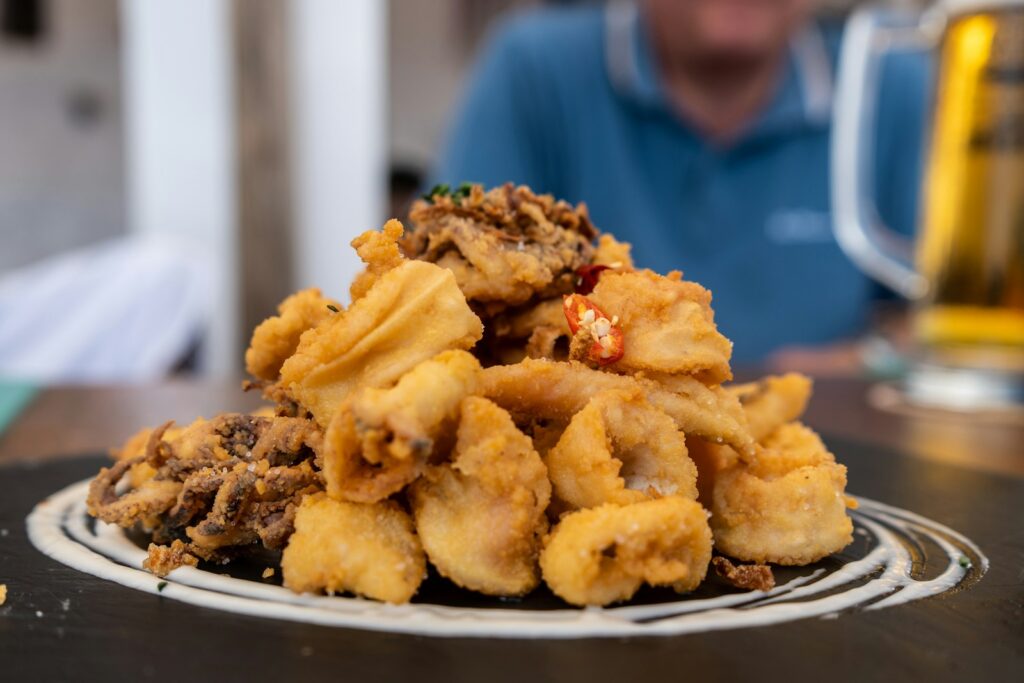
In Madrid they are called calamares a la romana. In Cantabria they are called rabas, and they are not quite the same thing. The difference is not the name: it is the cut, the batter and what sits underneath it.
What makes a raba a raba
- The cut is long, in strips rather than rings. That is the first sign and the easiest to spot.
- The batter is thin, flour-based, and has to come out dry. If it leaves an oil stain on the paper, the oil was not hot enough.
- The squid outranks the batter. A good raba tastes of the sea, not of frying. The batter is there to protect, not to bulk it out.
- You eat them in the first two minutes. A raba that waits goes soft. That is why they come out before anything else.
Why Madrid has so many good rabas
Madrid has spent decades being Spain’s largest seaport without a coastline: fish from the Cantabrian Sea reaches the city before it reaches many northern towns. Add the Cantabrian and Asturian migration of the 1960s and 70s, which brought its cooking to districts like Azca and Chamartín and left it there.
Which is why the best rabas in Madrid are rarely in the tourist centre, but in northern kitchens that have been buying from the same supplier for years.
How we serve them
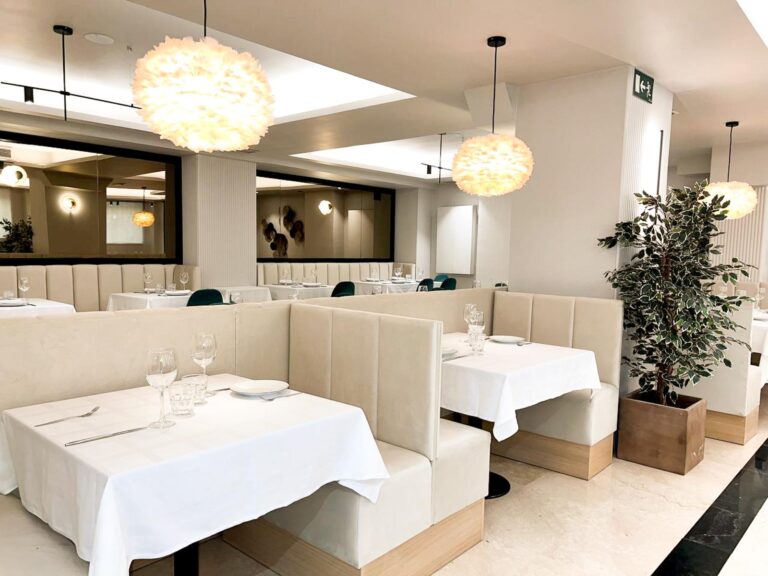
At La Reinosa rabas are a fixture on the menu and they also turn up on the set lunch. They are the first thing we bring out when the table is long, because they are made for sharing and can be eaten standing up if need be.
One piece of advice: order them at the start, not as a main. And do not bury them in lemon before you have tried the first one.
Rabas, chipirones and calamari are not the same
- Rabas: long strips of squid, a thin flour batter, a short fry. The Cantabrian way.
- Calamares a la romana: rings, a thicker batter, often with egg. The Madrid way, the one in the sandwich.
- Chipirones: whole baby squid, grilled or cooked in their own ink, never battered.
Ordering rabas somewhere that makes romana and expecting the first is the most common source of disappointment with this dish in Madrid.
How to tell they are done right
- Look at the paper. An oil stain means the oil was not hot enough and the batter drank it.
- Listen. A fresh raba makes a sound when it breaks. Three minutes later it does not.
- Try the first one without lemon. Lemon covers; if you need it from the start, something is off.
Frequently asked
Why are they called rabas?
The name comes from the tentacles and strips of the squid, which in Cantabria were used whole. Over time it came to mean the way it is cut and fried.
Where we are
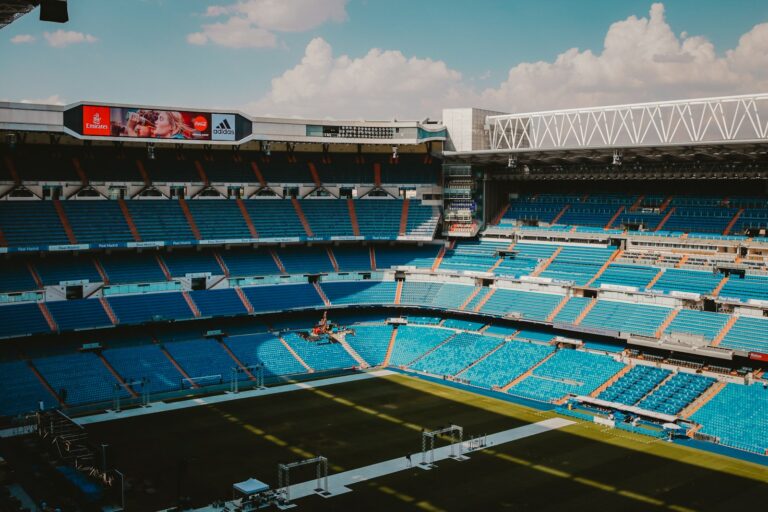
Avenida General Perón 13, 28020 Madrid, five minutes from the Bernabéu. Metro Santiago Bernabéu (L10) and Nuevos Ministerios (L6, L8, L10). Book a table or call +34 916 671 967.